The Scientific Foundation and Evaluation Standards for Modern Pharmaceutical Ingredients
In the era of personalized medicine within the pharmaceutical industry, the research and application of pharmaceutical ingredients go beyond merely formulating drugs; they constitute a core science of pharmacokinetics and pharmacodynamics. For a medication to achieve high clinical efficacy and ensure absolute safety, the input ingredient system must be analyzed based on the in-depth aspects below.
1. The Shifting Trend Towards Natural Pharmaceutical Ingredients (Botanicals)
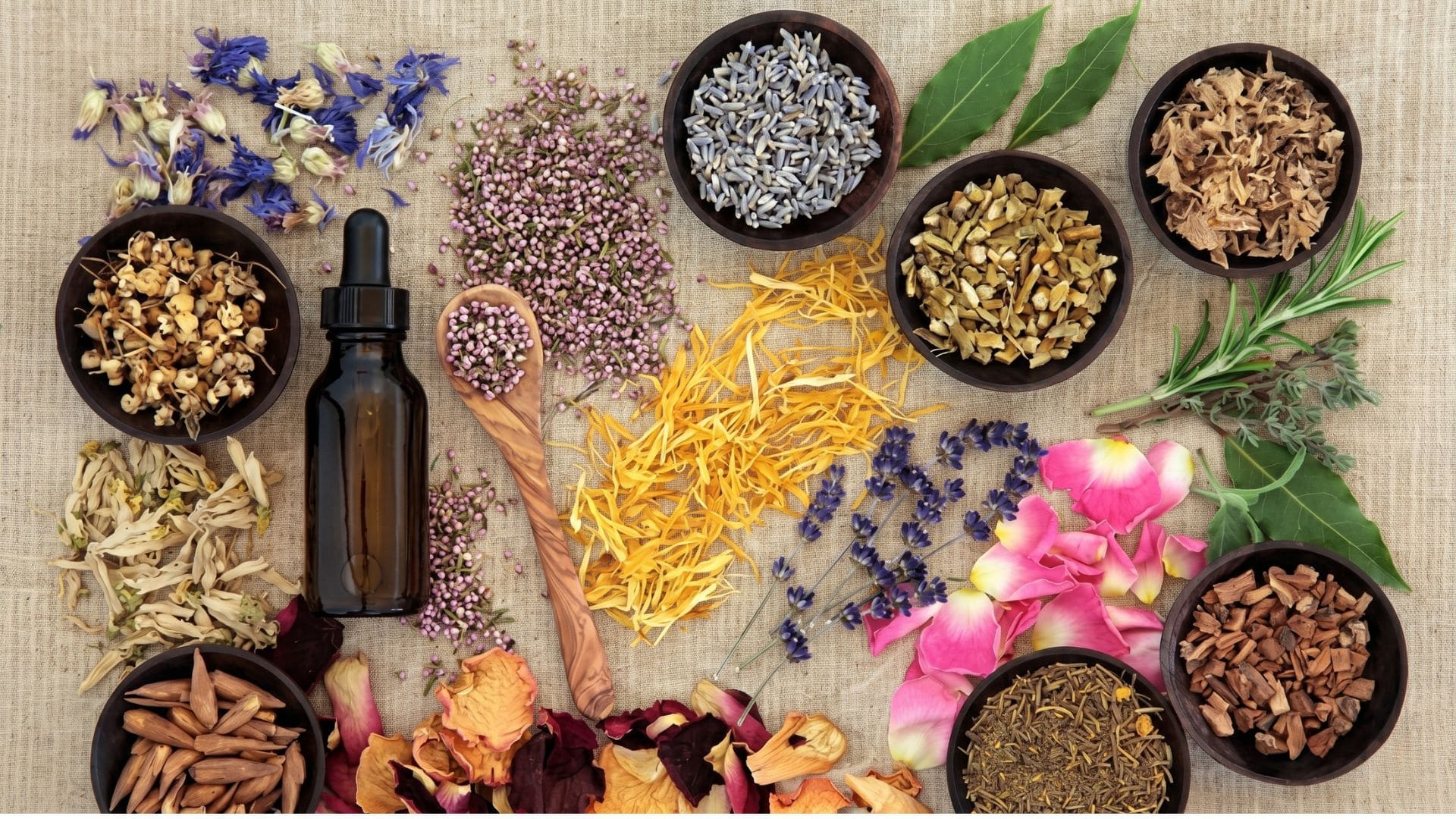
Patients and the medical community today are highly cautious about the side effects of synthetic drugs. Consequently, the trend of using pharmaceutical ingredients of natural origin is booming robustly. Extracts from plants and precious medicinal herbs (such as ginseng, cordyceps, or natural bioactive compounds) offer high therapeutic efficacy while strictly minimizing toxicity to the liver, kidneys, and drug resistance. Replacing or combining synthetic chemicals with plant-based ingredients helps pharmaceutical brands score points with consumers while sustainably responding to the movement of integrating traditional medicine with modern medicine.
2. Classification and Core Structure of Pharmaceutical Ingredients in Formulations
Every drug formulation, from basic to complex (such as tablets, solutions, or sustained-release membrane systems), is built upon a strict physicochemical structure. A clear understanding of the nature of each pharmaceutical ingredient group is a mandatory requirement for Research and Development (R&D) pharmacists:
Active Pharmaceutical Ingredients (API):
This is the "soul" of the drug, directly determining its disease-treating functionality. APIs such as Paracetamol, Antibiotics, or Peptides act deeply on cellular receptors, addressing issues related to bacterial infections, inflammation, or chronic diseases.
Excipients:
Typically accounting for the bulk of the product, including fillers, disintegrants, binders, and lubricants. Although having no direct pharmacological effect, excipients play a foundational role in protecting the active ingredient, determining drug release, and affecting bioavailability when entering the human body.
Additives and Solvents:
Including preservatives, stabilizers, and dissolving solvents. Although only occupying a trace percentage, this group plays a vital role in stabilizing the chemical structure and extending the shelf life of the medication.
3. The Clinical and Ecological Value of Natural Pharmaceutical Ingredients
The development of pharmacological science has proven the superiority of natural bioactive compounds. The shift towards using botanicals is not merely a commercial trend but also a step forward in terms of biological safety.
Biocompatibility:
Natural extracts possess molecular structures that are highly compatible with the human body's metabolic mechanisms. This helps strictly minimize side effects and anaphylactic shocks, which is especially important for long-term treatment regimens.
Sustainability:
Exploiting standardized plant-based ingredients (such as GACP-WHO) and non-genetically modified (Non-GMO) materials helps pharmaceutical companies meet rigorous international ethical standards, contributing to the conservation of medicinal genetic resources and the protection of the global ecosystem.
4. Criteria for Choosing Reputable Suppliers Selling Pharmaceutical Ingredients
To achieve the perfect formulation, manufacturing businesses need to seek reliable supply partners. When researching facilities specializing in selling pharmaceutical ingredients, you need to consider the following criteria:
Certificate of Analysis (COA):
Transparency regarding the origin, physicochemical safety indicators, and active ingredient content.
Purity:
Particularly crucial for medicinal raw materials to avoid contamination with impurities that are toxic to the body.
Technical Support Policy:
The supplier must not only sell products but also provide consultation on the physicochemical characteristics and stability of the raw materials.
5. Reference Framework for Selecting Reputable Suppliers of Pharmaceutical Ingredients
The raw material supply chain determines 80% of the risks in the drug manufacturing process. Therefore, evaluating the capacity of facilities specializing in providing pharmaceutical ingredients must be conducted through the most rigorous sets of standards:
Material Safety Data Sheet (MSDS) and Pharmacopoeia:
Ingredients must strictly comply with Pharmacopoeia standards (such as USP, EP, or the Vietnamese Pharmacopoeia), proving purity, heavy metal concentrations within permissible limits, and microbial limits.
Manufacturing Facility Standards:
The supplier must meet Good Manufacturing Practice (GMP-WHO, EU-GMP, or cGMP) standards to ensure an entirely sterile manufacturing environment and absolute quality control.
Technical Support Capacity:
A strategic supply partner must possess the ability to consult on chemical incompatibilities, bioavailability, and potential degradation reactions during drug formulation and storage.
Conclusion: A thorough understanding of pharmacology, natural ingredient trends, and supply source verification standards serves as a solid launchpad for pharmaceutical businesses to create breakthrough, safe, and sustainable medicinal products.
yêu cầu mẫu - hồ sơ
Nếu bạn có quan tâm tới sản phẩm nào của SUMM, muốn nhận mẫu thử hoặc cần hỗ trợ kỹ thuật, cung cấp hồ sơ, vui lòng cho chúng tôi biết
summ.vn
Thông tin
SUMM COMPANY LIMITED Reliable supplier of pharmaceutical and nutraceutical ingredients