Loading...
Loading...

Cosmetics Ingredients

Read more

The Scientific Foundation and Evaluation Standards for Modern Cosmetic Ingredients

In the era of personalization within the beauty care industry, the research and application of cosmetic ingredients go beyond merely creating products; they constitute a dermatological science. For a cosmetic product to achieve high clinical efficacy and ensure absolute safety, the input ingredient system must be analyzed based on the three in-depth aspects below.

1. The Shifting Trend Towards Natural Cosmetic Ingredients

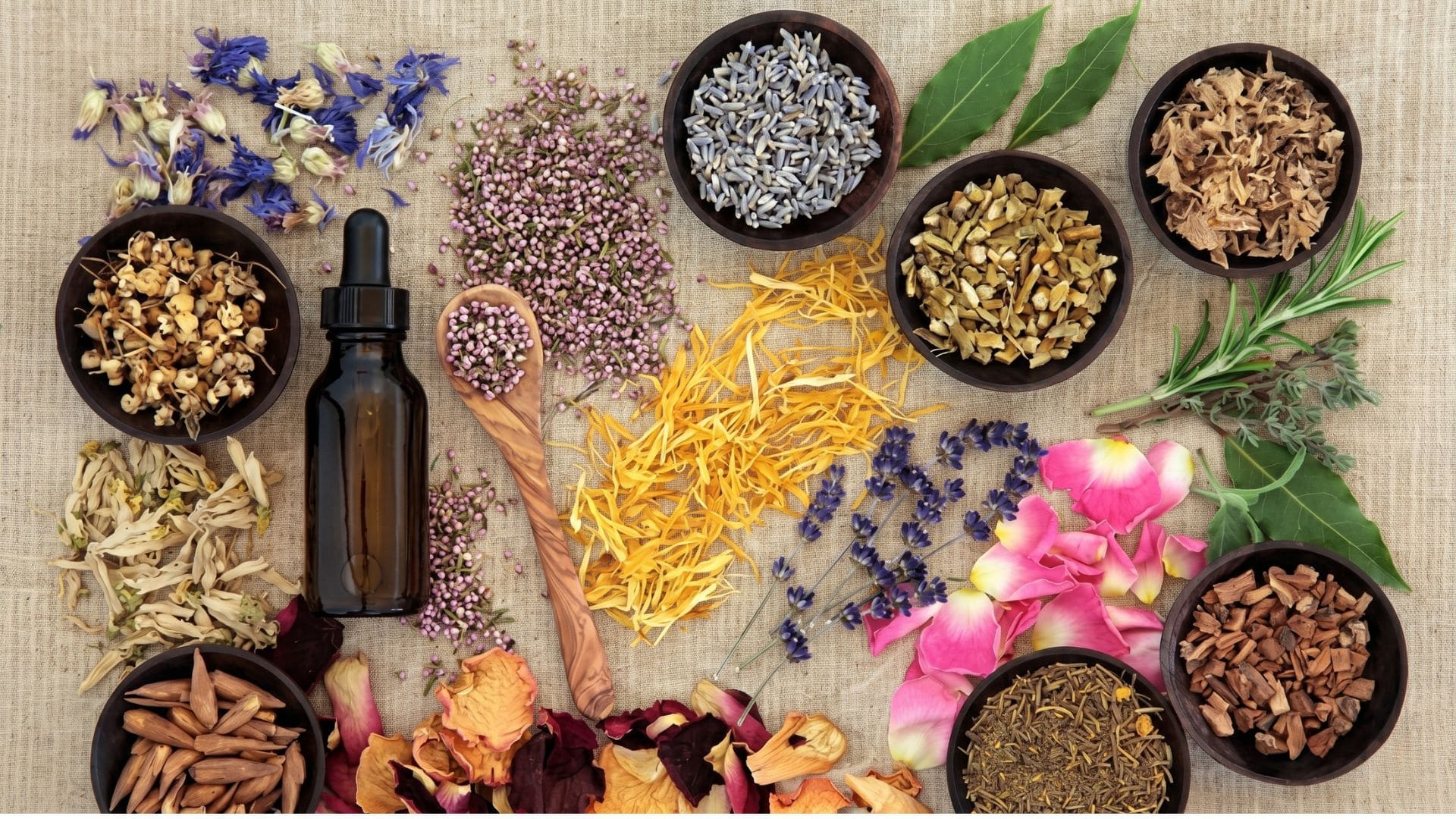
Today's consumers are highly informed and cautious about what they apply to their skin. Consequently, the trend of using natural cosmetic ingredients is booming robustly. Plant extracts, essential oils, and natural waxes (such as beeswax and shea butter) offer a high level of benignity, strictly minimizing the risk of irritation.

Replacing synthetic chemicals with plant-based ingredients helps cosmetic brands score absolute points with customers while actively responding to the sustainable and eco-friendly beauty movement.
2. Classification and Core Structure of Cosmetic Ingredients in Formulations

Every beauty formulation, from basic to complex, is built upon a strict molecular structure. A clear understanding of the nature of each cosmetic ingredient group is a mandatory requirement for Research and Development (R&D) engineers:

  • Base Ingredients: Typically accounting for 60% - 90% of the product's volume, including purified water (Aqua), plant oils, and waxes. The base acts as a solvent, accommodating and dissolving other components, while determining the product's texture (such as gel, cream, or lotion).
  • Active Ingredients: This is the "soul" of the product, directly determining its therapeutic efficacy. Active ingredients like Niacinamide, Hyaluronic Acid, Retinol, or Peptides penetrate deep into the epidermis and dermis, addressing issues related to pigmentation, aging, or damage to the skin's protective barrier.
  • Additives: Including preservatives, emulsifiers, and fragrances. Although only occupying a trace percentage, this group plays a vital role in stabilizing the physicochemical structure and extending the product's shelf life.

3. The Clinical and Ecological Value of Natural Cosmetic Ingredients

The development of dermatological science has proven the superiority of organic compounds. The shift towards using natural cosmetic ingredients is not merely a commercial trend but also a step forward in terms of biological safety.

Biocompatibility: Natural extracts such as Chamomile, Aloe Vera, or Green Tea possess molecular structures that are highly compatible with human skin cells. This helps to strictly minimize inflammatory and allergic reactions, which is especially important for sensitive skin care regimens.

Sustainability: Exploiting plant-based, non-genetically modified (Non-GMO), and cruelty-free ingredients helps brands meet rigorous international ethical standards, contributing to the protection of the global ecosystem.

4. Criteria for Choosing Reputable Suppliers Selling Cosmetic Ingredients

To achieve the perfect formulation, manufacturing businesses need to seek reliable supply partners. When researching facilities specializing in selling cosmetic ingredients, you need to consider the following criteria:

  • Certificate of Analysis (COA): Transparency regarding the origin and physicochemical safety indicators.
  • Purity: Particularly crucial for natural extracts to avoid contamination with impurities.
  • Technical Support Policy: The supplier must not only sell products but also provide consultation on formulations and standard blending ratios.

5. Reference Framework for Selecting Reputable Suppliers of Cosmetic Ingredients

The raw material supply chain determines 80% of the risks in the manufacturing process. Therefore, evaluating the capacity of facilities specializing in selling cosmetic ingredients must be conducted through rigorous sets of standards:

  • Material Safety Data Sheet (MSDS) and Certificate of Analysis (COA): These are two mandatory legal documents proving purity, heavy metal concentrations within permissible limits, and the absence of harmful microorganisms.
  • Manufacturing Facility Standards: The supplier must meet Current Good Manufacturing Practices (cGMP) standards or possess equivalent international certifications (such as Ecocert or COSMOS for organic ingredients).
  • Technical Support Capacity: A strategic supply partner must not only provide raw materials but also possess the ability to consult on safe blending ratios and interactions between active ingredients to prevent precipitation or emulsion breakdown during production.

Conclusion: A thorough understanding of biochemical characteristics, natural ingredient trends, and supply source verification standards serves as a solid launchpad for businesses to create breakthrough and sustainable beauty products.


yêu cầu mẫu - hồ sơ

Nếu bạn có quan tâm tới sản phẩm nào của SUMM, muốn nhận mẫu thử hoặc cần hỗ trợ kỹ thuật, cung cấp hồ sơ, vui lòng cho chúng tôi biết 

Loading...
02-04 Alexandre De Rhodes Street, Sai Gon Ward, Ho Chi Minh City 70000, Vietnam0834560500bm@summ.vn
Loading...
02-04 Alexandre De Rhodes Street, Sai Gon Ward, Ho Chi Minh City 70000, Vietnam0834560500bm@summ.vn