In the modern F&B industry, selecting the right food ingredients not only determines the flavor and appearance of the product but is also a vital factor in ensuring consumer safety. Below is essential information to help businesses optimize their production processes by categorizing and selecting standardized materials.
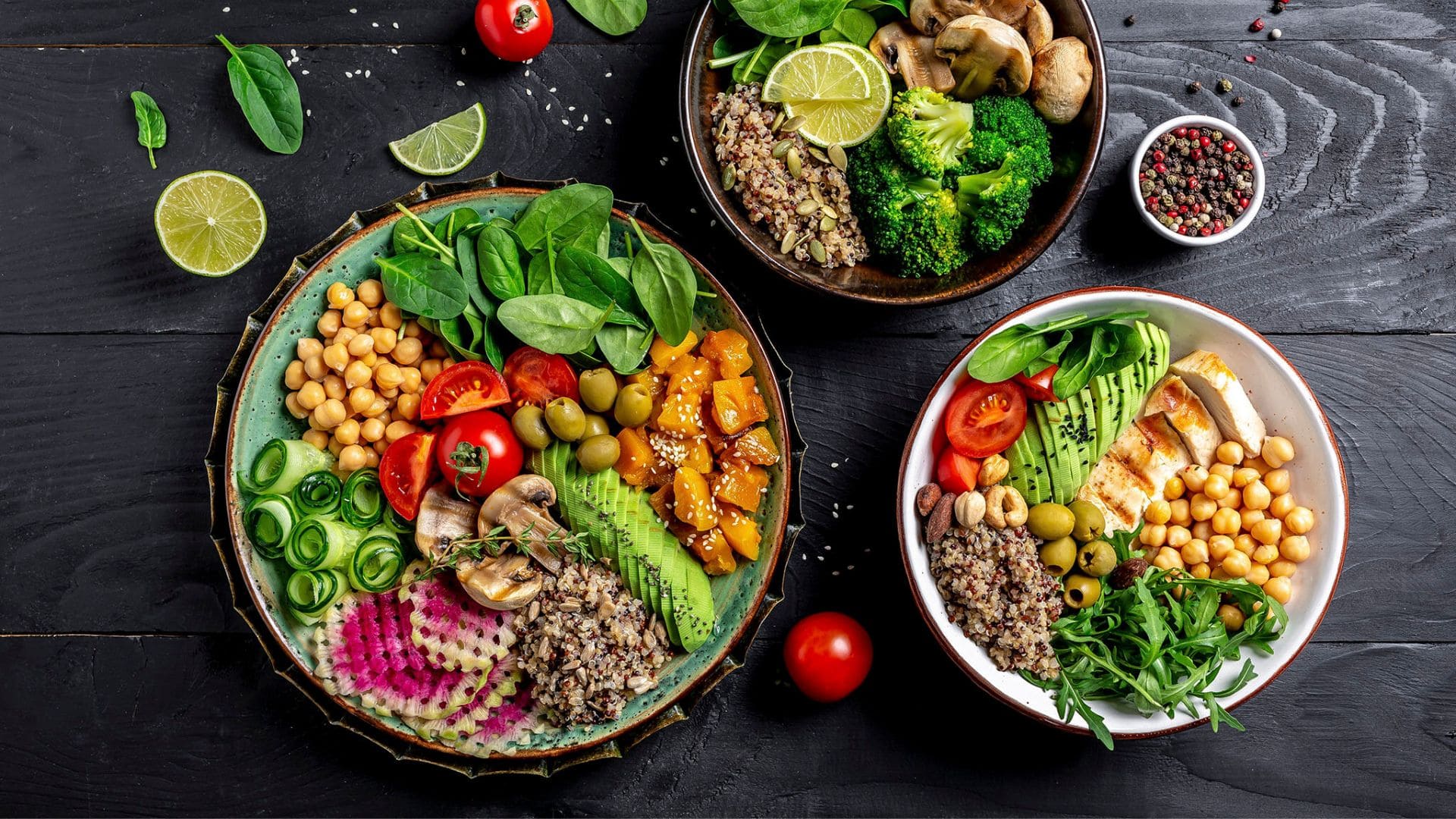
To serve various production purposes, the world of ingredients is divided into specialized groups. Understanding each group will help you perfect your product formulas.
This is the foundation of every dish and beverage. Food processing ingredients include agricultural products, flour, sugar, spices, flavorings, and natural colorants. Selecting high-quality processing ingredients helps the product retain its signature flavor, perfect texture, and overall appeal when it reaches the consumer.
In industrial manufacturing, extending shelf life without compromising nutritional value is a significant challenge. Using the right food preservation ingredients (including antioxidants, stabilizers, and antimicrobial agents) keeps products fresh and prevents mold and bacteria growth throughout their circulation in the market.
Today’s consumers are exceptionally conscious of nutrition. Therefore, health food ingredients such as vitamins, minerals, herbal extracts, and probiotics are becoming a major trend. Incorporating these components not only increases the core value of the product but also helps businesses build strong trust with their customers.
The F&B market is witnessing a core shift in consumer behavior as they become increasingly strict about ingredient lists. For instance, in the emerging beverage segment, when launching health-oriented product lines like herbal soda, selecting natural food ingredients to completely replace industrial sweeteners—thereby committing to a "no refined sugar" standard—is becoming a tremendously powerful Unique Selling Proposition (USP). This process requires the R&D team to possess a profound understanding of the physicochemical properties of ingredient groups to fully preserve flavor while aligning with the brand's long-term developmental vision.
.jpg)
Input supply always harbors objective risks ranging from price fluctuations and climate conditions to logistics disruptions. To ensure seamless production processes, food ingredient management must be systematized:
In the digital era, a quality end product is no longer enough; customers demand the right to "see" the product's journey. Applying technologies (such as QR codes, ERP systems, or Blockchain) to trace the origin of food ingredients from the farm to the manufacturing plant is becoming a new standard. This transparency not only helps businesses effectively manage expiration dates and reduce inventory loss but also serves as a potent marketing tool to build enduring trust with consumers.
To guarantee the quality of the final product, when sourcing food ingredients, you should consider:
Conclusion: Investing in high-quality food ingredients is an investment in the reputation and sustainable growth of your business. Choose carefully to deliver the safest and most nutritious products to consumers.